The Best Stress-Relief Habit to Help Lower Blood Pressure Naturally

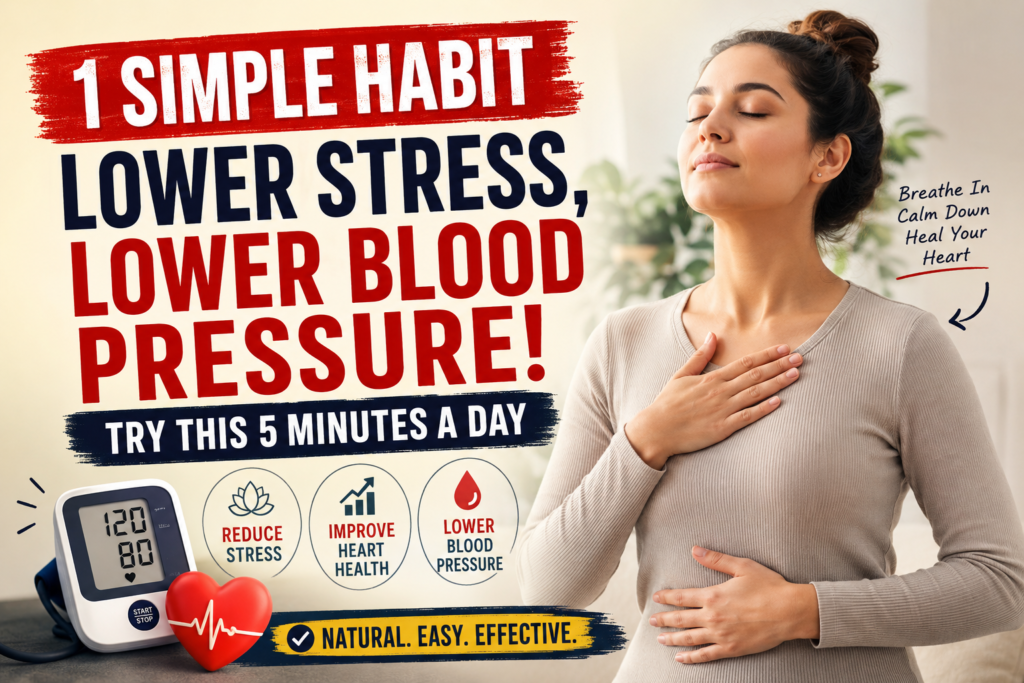
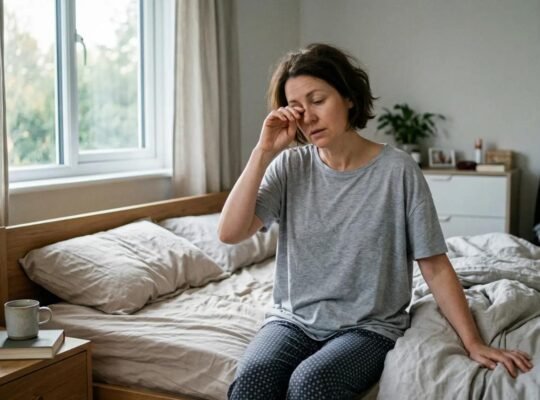
Stress is something almost everyone experiences, but when it becomes frequent or intense, it can affect more than your mood. Your body responds to stress by releasing hormones that can temporarily increase your heart rate and blood pressure.
The good news? One of the simplest stress-relief habits requires no equipment, no gym membership, and only a few minutes a day.
The Best Stress-Relief Habit: Slow, Deep Breathing
If you are looking for the best stress relief habit to lower blood pressure, slow, controlled breathing is one of the easiest places to start.
Deep breathing can help activate the body’s relaxation response, promote calm, and stabilize or lower blood pressure. The American Heart Association specifically recommends breathing control as one of several stress-management strategies that can support heart health.
It is important to understand that deep breathing is not a replacement for blood pressure medication or medical treatment. However, making it part of a healthy lifestyle may help you manage stress and support better blood pressure control.
Why Stress Can Raise Blood Pressure
When you encounter a stressful situation, your body can activate its “fight-or-flight” response.
Stress hormones such as adrenaline can cause your heart to beat faster and your blood vessels to constrict. As a result, blood pressure can rise temporarily. Once the stressful situation passes, blood pressure generally returns toward its previous level.
The bigger concern is repeated or ongoing stress.
Chronic stress can also encourage habits that aren’t good for blood pressure, such as overeating, drinking too much alcohol, smoking, sleeping poorly, or becoming less physically active.
That’s why learning to interrupt the stress response can be a useful part of a heart-healthy routine.
How Deep Breathing May Help
Think of slow breathing as a short “pause button” for your nervous system.
Instead of taking quick, shallow breaths when you’re stressed, deliberately slowing your breathing can encourage your body to relax.
Potential benefits include:
- Helping reduce feelings of stress
- Promoting a sense of calm
- Supporting relaxation
- Helping stabilize or lower blood pressure
- Reducing anxiety symptoms for some people
- Making it easier to pause before reacting to stressful situations
The American Heart Association notes that slow, deep breathing can produce calming effects and may help stabilize or lower blood pressure.
Try This Simple 5-Minute Breathing Habit
You don’t need to completely change your lifestyle to begin.
Start with five minutes of slow breathing once a day.
Step 1: Get Comfortable
Sit in a comfortable chair with your feet resting on the floor.
Relax your shoulders and place your hands loosely on your lap.
Step 2: Breathe Slowly Through Your Nose
Take a slow, comfortable breath through your nose.
Allow your abdomen to expand naturally rather than forcing a large breath.
Step 3: Exhale Slowly
Gently breathe out through your mouth or nose.
The goal is not to take the biggest breath possible. Instead, focus on making your breathing slow, comfortable, and controlled.
Step 4: Repeat
Continue this pattern for several minutes.
If your mind wanders, simply bring your attention back to your breathing.
You can gradually make this a daily habit by practicing at approximately the same time each day.
What About 4-7-8 Breathing?
You’ve probably seen the 4-7-8 breathing technique recommended online.
The basic pattern involves:
Inhale for 4 seconds → hold for 7 seconds → exhale for 8 seconds.
The American Heart Association lists 4-7-8 breathing as one controlled breathing technique. However, it also advises beginners not to practice these techniques for more than three to five cycles at a time and to stop if they become dizzy or light-headed.
You don’t have to use 4-7-8 breathing to benefit from controlled breathing. If holding your breath feels uncomfortable, use a simpler pattern with slow, comfortable inhalations and longer, gentle exhalations.
When Should You Practice?
The best time to practice is the time you can repeat consistently.
Some people may find it helpful:
In the morning:
Start the day with a few minutes of calm breathing before checking messages or beginning work.
During a stressful moment:
Use slow breathing when you notice your heart racing or your body becoming tense.
After work:
Use it as a transition between work and personal time.
Before bed:
A calming breathing routine can help you wind down before sleep.
The goal isn’t perfection. Consistency matters more than duration.
Don’t Stop at Breathing: Build a Blood-Pressure-Friendly Routine
Although breathing is an excellent stress-management habit, blood pressure is influenced by many factors.
The 2025 American Heart Association/American College of Cardiology guideline emphasizes lifestyle measures such as healthy eating, physical activity, stress management, healthy weight, sodium reduction, and limiting or eliminating alcohol as important components of blood-pressure management.
Consider combining your breathing habit with these simple practices.
1. Walk Regularly
Physical activity can help lower and control blood pressure. Even relatively short periods of activity, such as a 10-minute walk, can be a useful starting point for people who are currently inactive.
Try taking a short walk after a meal or during a work break.
2. Prioritize Sleep
Poor sleep can make stress harder to manage.
The NHLBI recommends that adults generally aim for 7 to 9 hours of good-quality sleep per day.
Create a consistent bedtime routine and give yourself enough time to sleep.
3. Watch Your Sodium Intake
Diet is another major part of blood pressure management.
Heart-healthy eating patterns such as the DASH eating plan emphasize vegetables, fruits, whole grains, legumes, nuts, seeds, and other nutrient-rich foods while reducing excess sodium.
4. Stay Connected
Stress doesn’t always need to be handled alone.
Talking with supportive friends, family members, or other trusted people can be part of a healthy stress-management strategy. The American Heart Association recommends maintaining supportive relationships as one way to build resilience.
5. Make Relaxation a Daily Habit
Meditation, yoga, nature walks, hobbies, music, and other enjoyable activities can provide additional ways to manage stress.
The most effective stress-relief habit is often the one you can realistically continue.
How Long Does It Take to Lower Blood Pressure?
This is where it’s important to avoid unrealistic promises.
There is no guaranteed number of minutes of breathing that will permanently lower your blood pressure.
Deep breathing can have calming effects and may temporarily influence blood pressure, but long-term blood pressure control usually requires a broader approach involving lifestyle changes and, when prescribed, medication.
Think of breathing as one useful tool—not a quick cure.
A Simple Daily Routine to Try
Here’s an easy routine you can incorporate into your day:
Morning — 5 minutes
Practice slow, controlled breathing.
Afternoon — 10 to 15 minutes
Take a brisk or comfortable walk.
Evening — 5 minutes
Repeat your breathing practice or spend a few minutes doing another relaxing activity.
Night — consistent bedtime
Aim for adequate, good-quality sleep.
Small habits become powerful when they are repeated consistently.
Can Deep Breathing Replace Blood Pressure Medication?
No.
If you have been prescribed medication for hypertension, don’t stop, reduce, or change your medication because your blood pressure improves after relaxation exercises.
Lifestyle measures can work alongside medical treatment. The NHLBI notes that when lifestyle changes alone don’t adequately control high blood pressure, healthcare professionals may recommend medication.
If you’re concerned about your blood pressure readings, discuss them with your healthcare professional.
When Should You Take High Blood Pressure Seriously?
High blood pressure often has no obvious symptoms, which is why regular measurement is important.
According to current AHA guidance, blood pressure of 180/120 mm Hg or higher is in the severe range. If you have a reading this high, particularly with symptoms such as chest pain, shortness of breath, weakness, vision changes, or difficulty speaking, seek urgent medical attention.
For ongoing elevated readings, speak with a healthcare professional rather than relying solely on stress-relief techniques.
The Bottom Line
The best stress relief habit to lower blood pressure isn’t necessarily complicated.
Slow, controlled breathing is a practical habit you can do almost anywhere, and it can help your body shift away from the stress response. The American Heart Association recognizes deep breathing, meditation, exercise, adequate sleep, and other healthy behaviors as useful stress-management strategies.
Start small:
Sit down. Slow your breathing. Relax your shoulders. Take a few minutes to reset. Then repeat tomorrow.
Over time, combine this habit with regular physical activity, nutritious food, adequate sleep, stress management, and appropriate medical care.
Your blood pressure isn’t controlled by one perfect habit—but small, consistent habits can add up to better heart health.
Medical disclaimer: This article is for general educational purposes and does not replace individualized medical advice, diagnosis, or treatment. If you have high blood pressure or another heart or lung condition, consult your healthcare professional about appropriate stress-management and breathing techniques.