
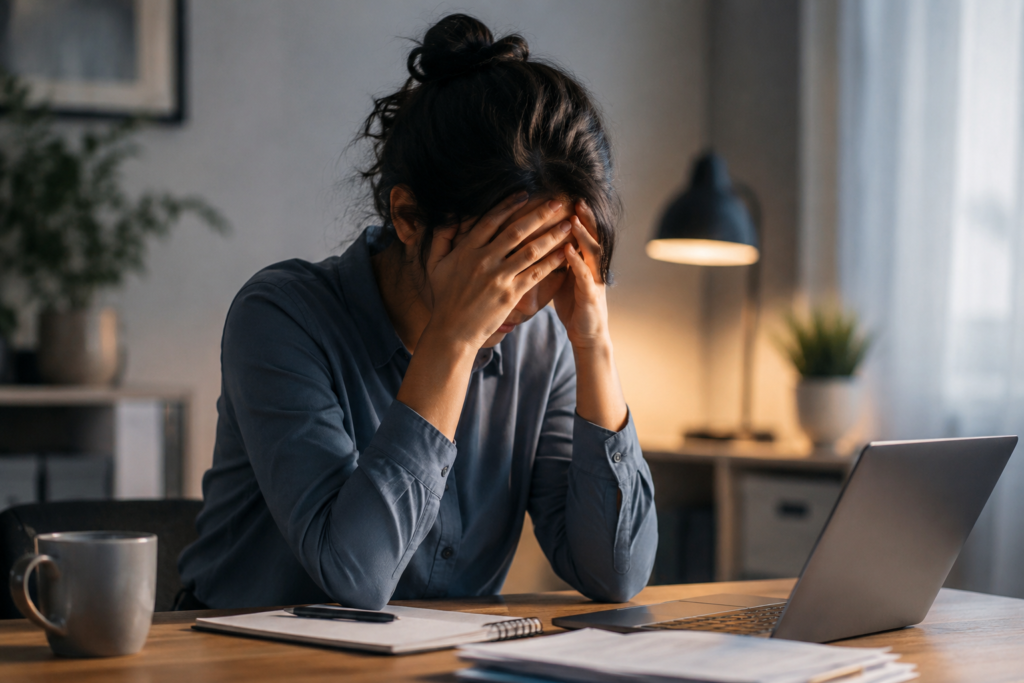
Stress has become such a normal part of modern life that many people don’t even realize they’re experiencing it. While obvious stress can make you feel anxious or overwhelmed, hidden stress often shows up in unexpected ways—through your body, emotions, sleep, and daily habits.
If you’ve been feeling “off” lately but can’t quite explain why, your body may be trying to tell you something.
In this article, we’ll explore 7 signs you’re more stressed than you realize, why they happen, and simple ways to regain balance before stress takes a serious toll on your health.
What Is Hidden Stress?
Hidden stress, also known as chronic stress, occurs when your body remains in a prolonged state of tension without obvious signs of anxiety. Instead of feeling constantly worried, you may simply experience physical discomfort, mood changes, or unusual habits.
Over time, elevated stress hormones like cortisol can affect nearly every system in your body, including your immune system, digestion, heart health, and brain function.
Recognizing these subtle warning signs early can help prevent burnout and improve your overall well-being.
1. You’re Always Tired—Even After Sleeping
One of the biggest hidden symptoms of stress is constant fatigue.
Even if you get seven to eight hours of sleep, you may wake up feeling exhausted because stress keeps your nervous system activated throughout the night.
Why It Happens
When you’re stressed:
- Cortisol levels remain elevated.
- Deep restorative sleep decreases.
- Your brain stays alert instead of relaxing.
As a result, your body never fully recovers.
What You Can Do
- Maintain a consistent bedtime.
- Avoid screens one hour before sleeping.
- Practice deep breathing before bed.
- Reduce caffeine after lunch.
Improving sleep is one of the fastest ways to lower chronic stress.
2. Small Things Irritate You More Than They Should
Have you noticed yourself snapping at family members or becoming frustrated over tiny inconveniences?
Stress reduces your emotional resilience.
When your brain is already overloaded, even minor problems can feel overwhelming.
Common Examples
- Getting angry in traffic
- Feeling impatient while waiting in queues
- Becoming upset over minor mistakes
- Feeling emotionally drained after conversations
Why It Happens
Stress activates your body’s fight-or-flight response, making you more reactive and less patient.
Stress Relief Tip
Before reacting, pause and take five slow breaths.
This simple habit can interrupt the stress response and help you respond more calmly.
3. You Forget Things More Often
Do you constantly walk into a room and forget why?
Misplace your phone several times a day?
Forget appointments or names?
Stress could be affecting your memory.
How Stress Affects Your Brain
High cortisol levels interfere with:
- Concentration
- Short-term memory
- Decision-making
- Problem-solving
Your brain prioritizes survival over remembering everyday details.
What Helps
- Write down important tasks.
- Avoid multitasking.
- Take regular breaks while working.
- Practice mindfulness for five minutes daily.
Many people mistake stress-related forgetfulness for poor memory when it’s actually mental overload.
4. Your Body Aches Without a Clear Reason
Stress isn’t just emotional—it often becomes physical.
Many people experience unexplained pain without realizing stress is the underlying cause.
Common Stress-Related Aches
- Neck pain
- Shoulder tension
- Jaw clenching
- Back pain
- Headaches
- Tight chest muscles
When your muscles remain tense for hours or days, pain becomes inevitable.
Natural Ways to Reduce Muscle Tension
- Gentle stretching
- Walking for 20–30 minutes
- Warm showers
- Yoga
- Massage therapy
Movement helps release physical tension built up by chronic stress.
5. You Constantly Crave Sugar or Junk Food
Ever wondered why stressful days end with chocolate, chips, or fast food?
Stress influences your appetite by increasing cortisol.
Higher cortisol levels can make your body crave foods high in sugar, salt, and fat because they temporarily activate the brain’s reward system.
Unfortunately, these foods only provide short-term comfort.
Better Stress-Relief Snacks
Instead of processed snacks, try:
- Nuts
- Greek yogurt
- Fresh fruit
- Dark chocolate (in moderation)
- Herbal tea
Eating balanced meals also helps stabilize blood sugar, reducing stress-related cravings.
6. You Can’t Relax Even During Free Time
Have you ever finished work but still felt mentally “on”?
Maybe you’re:
- Constantly checking emails
- Thinking about tomorrow’s tasks
- Feeling guilty for resting
- Scrolling endlessly on your phone
These are common signs of chronic stress.
Your nervous system struggles to switch into relaxation mode.
Why This Happens
Stress trains your brain to remain alert.
Even when there’s no immediate danger, your body behaves as though there is.
Try This Instead
Create a “shutdown ritual” after work.
For example:
- Close your laptop.
- Write tomorrow’s to-do list.
- Take a short walk.
- Listen to calming music.
- Avoid work notifications.
Small rituals signal to your brain that it’s safe to relax.
7. You Frequently Get Sick
Have you noticed you’re catching colds more often?
Stress weakens your immune system.
Long-term stress reduces your body’s ability to fight infections, making you more vulnerable to illness.
Chronic Stress Can Increase Risk Of
- Frequent colds
- Digestive issues
- High blood pressure
- Anxiety
- Depression
- Heart disease
- Poor sleep
Taking stress seriously isn’t just about mental health—it’s essential for physical health too.
Why Chronic Stress Is Dangerous
Many people believe they can simply “push through” stress.
The problem is that chronic stress slowly affects almost every organ system.
Long-term unmanaged stress has been linked to:
- Heart disease
- Obesity
- Type 2 diabetes
- Depression
- Anxiety disorders
- Digestive disorders
- Weakened immunity
- Hormonal imbalance
Recognizing stress early can prevent more serious health problems later.
Stress doesn’t always announce itself with panic attacks or overwhelming anxiety. Often, it hides behind fatigue, forgetfulness, irritability, body aches, poor sleep, unhealthy cravings, and frequent illness. Learning to recognise these subtle warning signs gives you the opportunity to take action before stress develops into burnout or more serious health problems.
The good news is that small daily habits—such as moving your body, sleeping well, practising mindful breathing, spending time outdoors, and setting healthy boundaries—can make a meaningful difference. If your symptoms persist or begin affecting your quality of life, don’t hesitate to seek professional support. Prioritising your mental health is one of the most valuable investments you can make for your long-term well-being.